
Perspectives: core meaning
A perspective is how a particular situation is viewed and understood by an individual.
It is based on a mix of personal and collective assumptions, values and beliefs.
Personal perspectives produce a wide range of different positions on environmental and social issues.
Perspectives influence people’s choices and actions, linking how an issue is understood to how people respond.
Values and their influence
Values are qualities or principles that people consider to have worth and importance in life.
Values affect people’s priorities, judgements, perspectives and choices.
Values are individual but are also shared with and shaped by communities.
Underlying values can be identified through people’s communication and actions.
Organizational values may be visible through advertisements, media, policies and actions.
Different values can create tensions between individuals and organizations.
Worldviews
Worldviews are lenses shared by groups through which people perceive, make sense of and act within their environment.
They shape people’s values and perspectives through culture, philosophy, ideology, religion and politics.
The internet and social media expose individuals to a wider variety of worldviews than their local community alone.
Models that classify perspectives can be helpful but inaccurate.
Individuals often hold a complex mix of positions, so one simple classification may not fully represent their worldview.
Influences on the environmental movement
The environmental movement has been influenced by individuals, literature, media, disasters, agreements, technology and scientific discoveries.
Individual environmental activist: select one named example.
Author: select one named example.
Media: An Inconvenient Truth (2006), No Impact Man (2009) or Breaking Boundaries: The Science of Our Planet (2021).
Environmental disaster: Minamata (1956), Chernobyl (1986) or Fukushima Daiichi (2011).
International agreement: Rio Earth Summit (1992), Rio+20 (2012), COP21 (2015) or COP27 (2022).
Technological development: the Green Revolution, reduction of energy inputs and enteric fermentation, or plant-based meats.
Scientific discovery: pesticide and biocide toxicity, species loss or habitat degradation.
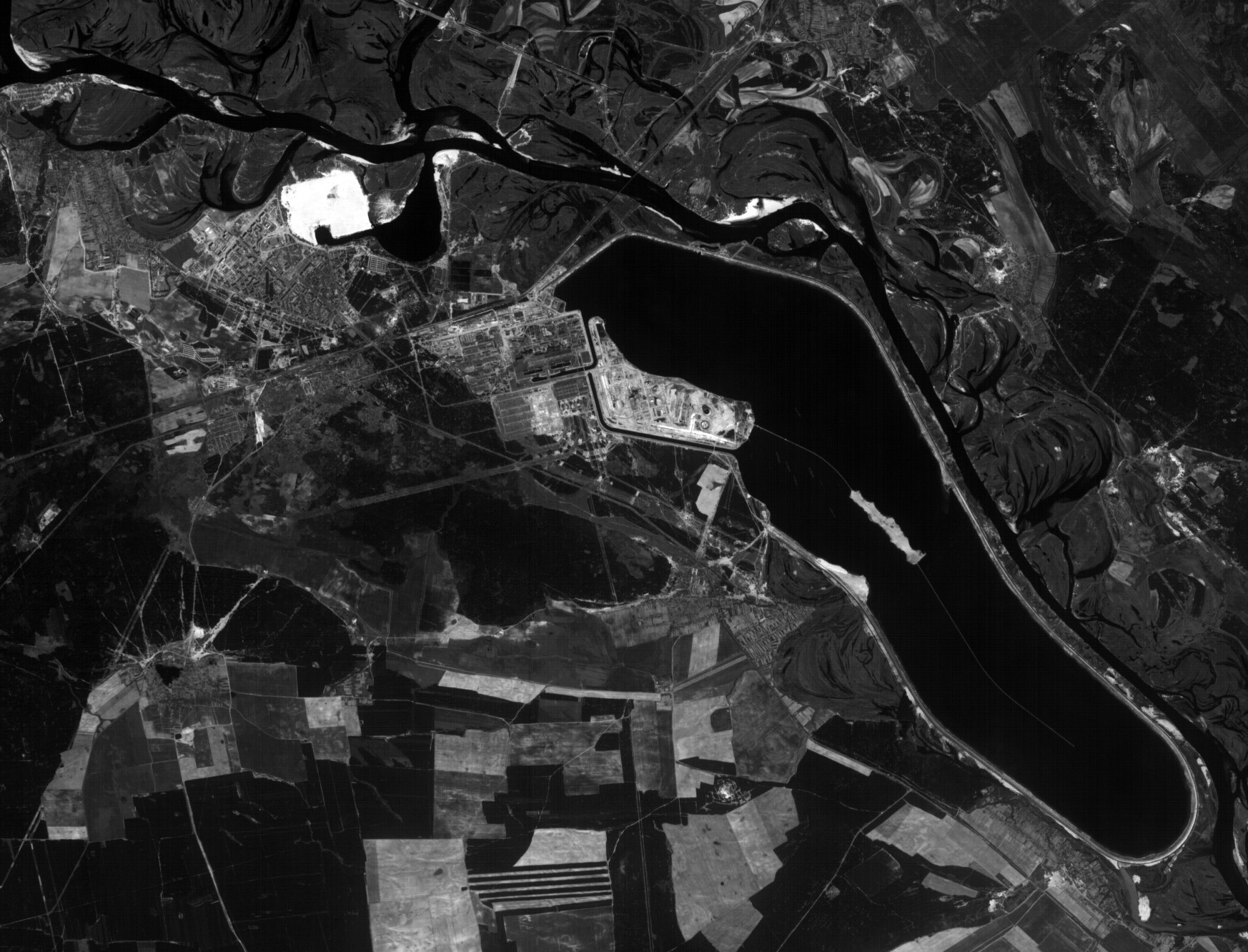
This satellite image records Chernobyl, one of the syllabus examples of a major environmental disaster. Such major events can influence the development of the environmental movement and public environmental perspectives. Source
What informs a perspective?
Perspectives are informed and justified by sociocultural norms, scientific understandings, laws and religion.
Other influences include economic conditions, local and global events and lived experience.
A perspective is not the same as an argument.
Arguments are made to support a personally held perspective or to counter a different perspective.
Values surveys and research skills
Values surveys can investigate the perspectives a particular social group holds towards an environmental issue.
Effective survey design should accommodate different perspectives towards the chosen issue.
The survey should assess how those perspectives are likely to impact the issue.
Design and carry out questionnaires, surveys or interviews, including through online collaborative survey tools.
Correlate perspectives with attitudes towards environmental or sustainability issues and select a suitable statistical tool for analysis.
Behaviour-time graphs may be developed to show changes in lifestyles.
Environmental value systems
An environmental value system (EVS) is a model showing the inputs affecting our perspectives and the outputs resulting from them.
EVS inputs include information from media, education and worldviews.
EVS outputs include judgements, positions, choices and actions.
The EVS model therefore connects influences on perspectives with the responses that result from those perspectives.
Changing perspectives over time
Perspectives and the beliefs underpinning them change over time in all societies.
Changes may be influenced by government campaigns or non-governmental organization (NGO) campaigns.
Social and demographic change can also alter perspectives.
Interpret behaviour-time graphs to identify changes in behaviour and lifestyles.
Syllabus examples include smoking, littering, eating meat and replacement of traditional indigenous lifestyles by modern ones.
Environmental perspective categories
Category | Syllabus meaning | Important distinction |
|---|---|---|
Technocentric | Assumes environmental issues can be resolved through technology | One broad category; not exclusive |
Anthropocentric | Views humankind as the central, most important element of existence | Includes a wide variety of views |
Ecocentric | Gives the natural world pre-eminent importance and intrinsic value | One broad category; not exclusive |
Classification models | Provide useful ways to organize perspectives | They are imperfect because positions may change with time and context |
Checklist: can you do this?
Can you explain how assumptions, values and beliefs contribute to the development of a perspective?
Can you distinguish a perspective from an argument?
Can you explain how values affect priorities, judgements, perspectives and choices?
Can you design a values survey that accommodates different perspectives towards an environmental issue?
Can you interpret a behaviour-time graph showing changing attitudes or lifestyles?
Can you identify the inputs and outputs of an environmental value system?
Can you distinguish technocentric, anthropocentric and ecocentric perspectives while recognizing the limitations of classifications?
Can you explain how different categories of influence have contributed to the environmental movement?