Infrastructure is the backbone of urban growth, supporting transportation, utilities, services, and connectivity vital to the function and sustainability of cities.
What is Infrastructure?
Infrastructure in urban development refers to the basic physical and organizational structures and systems that are necessary for cities to function efficiently. It forms the foundation for economic activity, human interaction, and the delivery of essential services. Infrastructure encompasses a wide array of systems, including:
Transportation infrastructure: This includes roads, bridges, highways, railways, airports, subways, and bus lines.
Utility systems: These involve water supply, sewage treatment, electricity grids, natural gas pipelines, and waste management systems.
Communication systems: These involve telephone lines, cellular networks, broadband internet access, and data transmission facilities.
Social infrastructure: These are facilities like hospitals, schools, government offices, fire stations, police stations, parks, and community centers.
Infrastructure not only supports the daily life of urban residents but also promotes economic growth, public safety, environmental quality, and social well-being. It plays a critical role in shaping a city’s layout, accessibility, and livability.
Infrastructure and Urban Growth
The Role of Infrastructure in City Expansion
As cities grow, infrastructure must expand and modernize to accommodate increasing populations and new economic activities. Infrastructure development is essential for:
Facilitating economic growth: Efficient transportation and utilities allow businesses to operate smoothly, reduce production costs, and attract new industries.
Improving quality of life: Access to clean water, electricity, health care, and education enhances the well-being of urban residents.
Enhancing accessibility: Well-planned infrastructure connects different parts of a city and reduces travel time.
Supporting public health and safety: Sewer systems, clean water supplies, and waste management reduce disease spread and improve sanitation.
Encouraging sustainable development: Environmentally friendly infrastructure can reduce carbon emissions and promote renewable energy use.
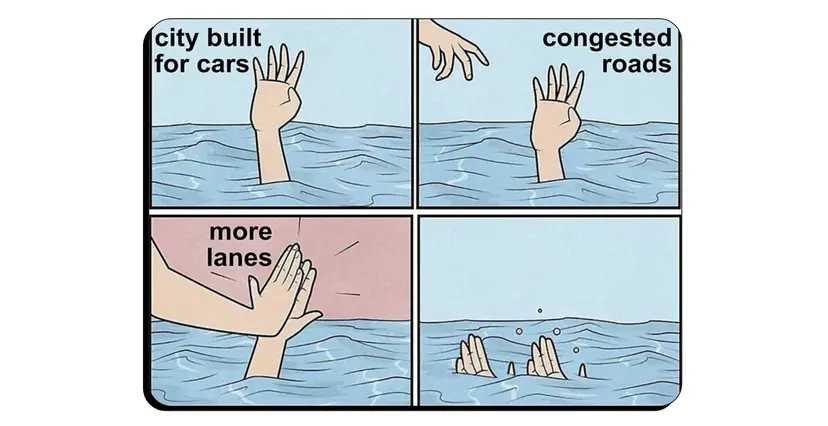
When infrastructure fails to keep pace with urbanization, cities may experience traffic congestion, unreliable utilities, overcrowded housing, and rising inequality.
Smart Growth Strategies
Smart growth is an approach to urban planning that aims to minimize urban sprawl and make infrastructure more efficient. It promotes:
Higher-density development
Mixed-use zoning (combining residential, commercial, and recreational land uses)
Public transportation expansion
Preservation of open space and green areas
Walkability and bike-friendly design
Smart growth strategies aim to ensure that infrastructure investments create sustainable and resilient urban environments that meet long-term community needs.
Public Transportation Infrastructure
Economic and Spatial Impact
Public transportation is one of the most visible and essential components of urban infrastructure. It plays a vital role in:
Reducing dependency on private vehicles
Lowering traffic congestion
Minimizing greenhouse gas emissions
Connecting people to employment, education, and services
Shaping spatial development patterns
Cities with well-developed transit systems often exhibit more compact urban forms, with residential and commercial zones clustered around transit hubs. This promotes efficient land use and helps limit urban sprawl.
Types of Public Transportation
Public transportation systems vary widely but generally include:
Bus networks: Flexible and cost-effective, buses can serve neighborhoods not accessible by rail.
Rail systems: Subways, light rail, and commuter trains provide high-capacity, rapid transit.
Streetcars and trolleys: These often operate in central business districts.
Ferries: In cities with waterfronts, ferries provide an alternative to road travel.
Paratransit: Specialized services for elderly or disabled residents.
Each system requires dedicated infrastructure investment, including stations, maintenance depots, ticketing systems, and dedicated lanes or tracks.
Challenges in Developing Countries
In many developing countries, transportation infrastructure is underdeveloped due to:
Limited financial resources
Rapid urban population growth
Inadequate planning
Corruption or mismanagement
This leads to a heavy reliance on informal transit options like minibuses, motorbike taxis, or unregulated rideshares. While flexible, these systems often lack safety standards, fare regulation, or integration with formal transit networks.
Utility and Service Infrastructure
Water, Sewage, and Electricity Systems
A city's utility systems are critical for sustaining life and maintaining public health:
Water supply systems: These deliver potable water to homes, businesses, and public facilities. They include reservoirs, treatment plants, and distribution pipes.
Sewage and sanitation: Wastewater treatment facilities and sewer networks prevent the spread of disease and protect water sources.
Electricity and energy: A stable electricity grid powers homes, industry, communication systems, and essential services. Power outages can disrupt hospitals, schools, and business activity.
In rapidly urbanizing cities, outdated systems may result in frequent service disruptions, leakages, or public health crises, especially in informal settlements.
Communication Infrastructure
Modern urban infrastructure must also include digital connectivity. Communication systems support:
Education through online learning platforms
Healthcare with telemedicine and health information systems
Economic activity via digital payments and online commerce
Urban planning through data collection and geographic information systems (GIS)
Cities investing in fiber-optic cables, public Wi-Fi, and smart grid technologies are better positioned to adapt to changing economic conditions and technological innovation.
Urban Infrastructure Planning
Sources of Infrastructure Investment
Infrastructure development is a long-term investment that requires substantial funding and coordination. It can be financed through:
Government budgets at the local, state, or national level
Taxes and municipal bonds
Public-private partnerships (PPPs)
International development agencies such as the World Bank or regional development banks
Private sector investments in real estate or utilities
Successful infrastructure projects depend on transparent governance, community engagement, and rigorous planning to ensure long-term sustainability.
Planned Cities and Forward Capitals
To reduce the strain on overcrowded cities and encourage regional development, some countries have moved their capitals to planned cities called forward capitals. These are typically located in less developed regions and feature:
Purpose-built infrastructure
Zoned land use
Modern housing and utilities
Government and administrative buildings
Examples include:
Brasília, moved from Rio de Janeiro to central Brazil
Abuja, moved from Lagos to central Nigeria
Dodoma, moved from Dar es Salaam in Tanzania
These projects aim to redistribute population and economic activity, reduce urban congestion in primate cities, and symbolize national development goals.
Urban Infrastructure Challenges
Squatter Settlements and Informal Housing
Many cities, especially in the Global South, face challenges related to unplanned urbanization. Squatter settlements, also known as informal settlements or shantytowns, arise when housing demand exceeds supply. These areas are characterized by:
Lack of legal land ownership
Poor construction quality
Overcrowding
Limited or no access to water, electricity, or sanitation
High vulnerability to environmental hazards
Squatter settlements often emerge on the urban periphery or in unsafe zones like floodplains or steep slopes. Governments may:
Attempt eviction and relocation
Upgrade infrastructure in situ (on-site improvement)
Provide legal recognition and services gradually
Improving conditions in these areas is a priority for urban planners aiming for inclusive urban development.
Environmental Impact of Infrastructure
Urban infrastructure affects the natural environment in multiple ways:
Air and water pollution from outdated waste treatment plants and vehicle emissions
Loss of green space due to road expansion and construction
Urban heat islands created by concrete surfaces absorbing heat
Flooding caused by impervious surfaces blocking drainage
Modern infrastructure planning often incorporates green solutions, such as:
Rain gardens and permeable pavements for stormwater management
Green roofs and walls to reduce building temperatures
Renewable energy sources for public utilities
Expanded public transportation to reduce emissions
These innovations support urban resilience and climate change mitigation.
Infrastructure and Economic Development
Infrastructure as a Catalyst for Growth
Investment in infrastructure directly supports economic development by:
Increasing productivity through efficient logistics and transportation
Attracting foreign and domestic investment
Enhancing access to markets, education, and health services
Creating construction and maintenance jobs
Increasing property values and business opportunities in well-connected areas
Cities with reliable infrastructure are more competitive on a global scale and are better positioned to attract talent and innovation.
Supporting Small Businesses and Industry
Infrastructure investment can stimulate local economic development by:
Reducing transaction and transport costs for small businesses
Providing access to utilities like water, power, and internet
Creating industrial parks or business incubators with shared facilities
Facilitating tourism and services industries through improved access
Local governments may also invest in infrastructure that targets strategic industries, including agriculture, manufacturing, or information technology, based on local economic strengths.
Spatial Patterns and Infrastructure
Urban Form and Transportation
The design and distribution of infrastructure influence urban spatial patterns:
Radial city patterns may emerge from road networks spreading outward from a central business district (CBD).
Linear development occurs along rail lines or highways.
Nodal patterns emerge around transportation hubs, like airport cities.
Cities built around mass transit systems tend to be denser and more pedestrian-friendly, while cities reliant on highways may experience urban sprawl and car dependency.
Urban Hierarchies and Primate Cities
In many countries, infrastructure investment is concentrated in a primate city—a city that is significantly larger and more influential than any other urban center. These cities often:
House the national government
Serve as economic and cultural capitals
Attract the bulk of migration and investment
However, over-reliance on a primate city can lead to regional inequality, infrastructure overload, and social disparities. Encouraging development in secondary cities and rural areas can balance national growth.
Key Vocabulary
Infrastructure: The essential systems and structures that support urban life and development, including transportation, utilities, communication, and social services.
Public Transportation: Transportation systems available to the general public, such as buses, subways, and trains, crucial for accessibility and reducing car dependency.
Squatter Settlements: Informal housing areas developed without legal permission, often lacking basic services.
Forward Capitals: Planned capital cities built to relieve pressure from overcrowded major cities and promote regional balance.
Metropolises: Large cities that act as regional or national hubs for economic, cultural, and political activity.
Primate City: A city that is significantly larger and more dominant than others in a country, centralizing infrastructure and development.
Smart Growth: A planning approach that promotes compact, walkable cities with integrated infrastructure and minimal environmental impact.
Spatial Patterns: The geographic arrangement of infrastructure, population, and land use in urban environments.
Developing Countries: Nations experiencing industrialization and modernization, often facing infrastructure and economic development challenges.
Economic Development: The process of improving economic conditions and quality of life through investment, employment, and infrastructure expansion.
FAQ
When funding is limited, cities must make strategic decisions about which infrastructure projects will deliver the greatest benefits to the population. This process typically involves:
Needs assessments: City planners and engineers identify areas with the most urgent needs, such as unsafe bridges or overburdened sewer systems.
Cost-benefit analysis: Projects are evaluated based on their potential economic, social, and environmental impact versus their financial cost.
Public input: Community members may be consulted through surveys or forums to identify local priorities.
Risk management: Projects that address safety, disaster resilience, or health risks are often prioritized.
Funding availability: Some projects are selected based on available grants or partnerships with private investors.
Ultimately, priority is given to projects that provide essential services, support vulnerable populations, or stimulate economic growth while staying within budget constraints.
Expanding urban infrastructure can bring unintended environmental consequences that require careful mitigation. Key impacts include:
Habitat destruction: Construction projects often lead to deforestation, soil erosion, and loss of natural habitats.
Air and water pollution: Increased vehicle traffic and industrial activity associated with new roads or facilities can contribute to pollution.
Urban heat islands: The replacement of green spaces with concrete and asphalt raises temperatures in urban areas.
Waste production: Infrastructure development generates construction waste and long-term increases in solid and wastewater output.
Increased runoff: Impermeable surfaces limit groundwater recharge and cause urban flooding during heavy rainfall.
Cities can address these issues by integrating green infrastructure like permeable pavements, urban forests, and stormwater management systems into their planning processes.
Infrastructure plays a major role in either mitigating or reinforcing urban inequality. When infrastructure is unevenly distributed:
Marginalized communities may lack access to safe roads, reliable transit, clean water, and sanitation.
Job opportunities become inaccessible when public transit does not connect low-income areas to employment hubs.
Educational outcomes suffer if schools are poorly equipped or located far from underserved neighborhoods.
Healthcare access is limited when hospitals and clinics are not evenly distributed.
Digital divides widen when internet infrastructure skips over impoverished areas.
Conversely, equitable infrastructure investment can bridge these gaps, promote social mobility, and enhance quality of life across all urban areas.
Natural disasters often reveal the vulnerabilities in urban infrastructure systems by testing their capacity and resilience. Key examples include:
Flooding: Inadequate drainage systems or poorly maintained levees can result in widespread water damage.
Earthquakes: Older buildings and bridges without seismic retrofitting may collapse, leading to massive casualties.
Hurricanes and storms: Power lines, roads, and emergency services can be disrupted, especially in coastal cities with outdated infrastructure.
Heatwaves: Cities with limited green space or access to cooling facilities may suffer increased mortality, especially among the elderly.
Post-disaster assessments often highlight the need for better planning, including investments in climate-resilient infrastructure and disaster risk reduction strategies like early warning systems and emergency shelters.
Technological innovation is revolutionizing urban infrastructure by making it more efficient, responsive, and sustainable. Major advancements include:
Smart city technologies: Sensors and data analytics help monitor traffic, manage energy use, and detect utility failures in real-time.
Green building design: Innovations such as solar panels, energy-efficient insulation, and automated lighting systems reduce environmental footprints.
Intelligent transportation systems (ITS): Apps and digital platforms enable dynamic traffic control, real-time public transit updates, and ride-sharing coordination.
Water management systems: Smart meters and leak detection technologies improve efficiency and reduce waste in municipal water supplies.
3D printing and modular construction: These methods accelerate building timelines and reduce material waste in infrastructure projects.
Practice Questions
Explain how the quality and availability of infrastructure can influence patterns of urban development in both developed and developing countries.
The quality and availability of infrastructure directly affect how urban areas expand and function. In developed countries, well-planned infrastructure like efficient public transit and utilities fosters compact urban forms, reduces congestion, and supports sustainable development. In developing countries, limited infrastructure often results in urban sprawl, squatter settlements, and informal economies. Poor roads and utilities constrain economic growth and access to services. As infrastructure improves, cities in developing regions may attract investment and shift toward more formal, planned development. Overall, infrastructure shapes land use, economic activity, and population distribution within urban regions across varying levels of development.
Describe how forward capitals and planned cities are used to address infrastructure challenges in urban areas. Provide an example.
Forward capitals and planned cities are strategic tools used by governments to relieve overcrowding and infrastructure strain in primate cities. These cities are often relocated to less developed regions to encourage balanced national growth and investment. Planned cities feature modern infrastructure from inception, including transportation, utilities, and administrative buildings. For example, Brasília in Brazil was developed to shift population and economic activity inland, easing the burden on Rio de Janeiro. Similarly, Abuja replaced Lagos in Nigeria to create a more centrally located and organized capital. These cities reflect deliberate infrastructure planning to guide urbanization and reduce inequality.