Sustainable development balances economic growth, environmental protection, and social equity to meet current needs without harming the prospects of future generations.
Defining Sustainable Development
Sustainable development is a strategic framework that guides global growth in a way that is ecologically sound, socially inclusive, and economically viable. It aims to improve human well-being and standard of living without causing irreversible damage to natural ecosystems. The idea was popularized in 1987 by the Brundtland Commission, which defined sustainable development as “development that meets the needs of the present without compromising the ability of future generations to meet their own needs.” This framework recognizes the interdependence of the three pillars of sustainability:
Environmental Sustainability: Ensures that natural resources are used responsibly and ecosystems are preserved.
Social Sustainability: Promotes social equity, access to basic services, human rights, and cultural preservation.
Economic Sustainability: Encourages economic growth that is inclusive, fair, and beneficial to all sectors of society.
Core Principles of Sustainable Development
Sustainable development is grounded in a set of guiding principles that promote long-term environmental and social responsibility:
Intergenerational Equity: This principle stresses that the actions of the current generation must not reduce the options available to future generations. It requires stewardship of natural resources so that air, water, forests, and biodiversity are protected for the future.
Precautionary Principle: When there is a threat of serious or irreversible damage to the environment, the lack of full scientific certainty should not be used as a reason to delay preventive measures. For example, banning certain chemicals even if long-term harm is not fully confirmed.
Polluter Pays Principle: This principle holds that those who produce pollution should bear the costs of managing it. This can include taxes on carbon emissions, penalties for water contamination, or requirements to pay for cleanup.
Common but Differentiated Responsibilities: Recognizing that countries have unequal historical contributions to environmental problems and differing capacities to address them, this principle calls for shared responsibility with differing expectations. Developed countries are expected to lead efforts and assist developing countries through funding and technology transfer.
Strategies for Achieving Sustainable Development
A variety of integrated approaches can help societies move toward sustainability by reducing resource consumption, protecting ecosystems, and promoting social inclusion.
Resource Efficiency
Improving how we use natural and manufactured resources is critical for reducing environmental strain and maintaining economic growth.
Energy efficiency: Using technology to do more with less energy, such as LED lighting, efficient appliances, and improved insulation in buildings.
Water conservation: Reducing water waste through low-flow fixtures, rainwater harvesting, and drought-resistant crops.
Waste minimization: Implementing reduce-reuse-recycle strategies to limit landfill waste and pollution.
Circular economy models: Designing products with long life cycles, easy disassembly, and material reuse to prevent waste and reduce extraction.
Sustainable Agriculture
Agriculture is a major driver of deforestation, water use, and greenhouse gas emissions. Sustainable farming aims to balance productivity with ecological preservation.
Organic farming: Avoids synthetic chemicals in favor of natural alternatives to protect biodiversity and soil health.
Agroforestry: Combines agriculture and tree planting to improve land productivity and prevent erosion.
Integrated pest management (IPM): Uses biological controls and careful monitoring instead of widespread pesticide use.
Crop rotation and cover cropping: Maintains soil nutrients and reduces the need for chemical fertilizers.
Biodiversity Conservation
Biodiversity underpins ecosystem resilience and human survival. Protecting it is essential for sustainable development.
Protected areas: Establishing national parks and marine reserves helps shield species and habitats from exploitation.
Wildlife corridors: Connect fragmented habitats, allowing species to migrate and reproduce.
Endangered species legislation: Legal protections reduce hunting and habitat loss.
Community-based conservation: Empowers locals to manage ecosystems, combining traditional knowledge with conservation science.
Social Equity and Inclusion
Addressing inequality is fundamental to sustainable development. Equitable access to resources and opportunities ensures that no group is left behind.
Education and healthcare: Investing in public services improves life expectancy and economic productivity.
Housing and infrastructure: Building resilient infrastructure ensures safety, mobility, and energy access for all.
Gender equality: Promoting women’s participation in the workforce, politics, and land ownership is key to inclusive growth.
Worker rights: Ensuring fair wages, safe conditions, and protection from exploitation supports human dignity.
Renewable Energy
Transitioning to renewable energy is one of the most effective ways to reduce environmental harm and create sustainable economic growth.
Major Types of Renewable Energy
Solar Energy: Converts sunlight into electricity using photovoltaic (PV) cells or concentrates heat using mirrors. It is modular, scalable, and ideal for both urban and rural areas.
Wind Energy: Wind turbines convert the kinetic energy of moving air into electrical energy. Onshore and offshore wind farms are becoming increasingly cost-competitive.
Hydropower: Uses flowing water to generate electricity. While it is clean, large dams can disrupt ecosystems and displace communities.
Geothermal Energy: Taps underground heat for power generation or direct heating. It is stable and consistent, particularly in tectonically active regions.
Biomass Energy: Uses organic materials such as crop residues, wood, or manure to produce fuel, heat, or electricity. Sustainable use of biomass requires careful management to prevent deforestation or food shortages.
Benefits of Renewable Energy
Reduces emissions: Unlike fossil fuels, renewables emit little to no greenhouse gases.
Increases energy independence: Reduces reliance on imported oil or gas.
Promotes innovation and jobs: Expanding renewable sectors creates skilled labor opportunities.
Scalable solutions: Renewable technologies can power everything from individual homes to national grids.
Ecotourism
Ecotourism is a form of responsible travel that conserves the environment, respects local culture, and generates economic benefits for host communities.
Key Principles of Ecotourism
Minimal environmental impact: Ecotourism seeks to protect fragile ecosystems and reduce the carbon footprint of travel.
Cultural sensitivity: Visitors are encouraged to respect local customs and engage with host communities in meaningful ways.
Education and awareness: Guided tours often focus on environmental education and promote conservation values.
Revenue sharing: Profits from tourism help fund local development and conservation efforts.
Types of Ecotourism Activities
Wildlife watching: Observing animals in their natural habitats supports conservation and creates awareness.
Hiking and trekking: Encourages appreciation for natural landscapes with minimal infrastructure.
Birdwatching: Popular in biodiverse regions, often linked with habitat protection.
Cultural heritage tourism: Visits to traditional villages, ancient ruins, or indigenous communities promote cultural preservation.
Sustainable food tourism: Involves visits to local farms, organic markets, and wineries, highlighting responsible agriculture.
Key Ecotourism Destinations
National Parks: Yellowstone (USA), Banff (Canada), Kruger (South Africa).
Marine Reserves: Great Barrier Reef (Australia), Raja Ampat (Indonesia).
Tropical Rainforests: Amazon Basin, Borneo, Congo Basin.
Cultural Landscapes: Machu Picchu (Peru), Bhutan, Ladakh (India).
Benefits of Ecotourism
Environmental: Provides funding for conservation and raises awareness.
Economic: Offers income opportunities in remote areas through locally owned enterprises.
Social: Promotes cultural exchange and helps preserve indigenous practices.
Educational: Instills appreciation for biodiversity and responsible consumer behavior.
The Sustainable Development Goals (SDGs)
In 2015, the United Nations launched the 2030 Agenda for Sustainable Development, including 17 Sustainable Development Goals (SDGs). These goals aim to eradicate poverty, promote prosperity, and protect the planet through a coordinated global framework.
The 17 SDGs
No Poverty
Zero Hunger
Good Health and Well-being
Quality Education
Gender Equality
Clean Water and Sanitation
Affordable and Clean Energy
Decent Work and Economic Growth
Industry, Innovation, and Infrastructure
Reduced Inequalities
Sustainable Cities and Communities
Responsible Consumption and Production
Climate Action
Life Below Water
Life on Land
Peace, Justice, and Strong Institutions
Partnerships for the Goals
Features of the SDGs
Universal: Apply to all countries regardless of income level.
Integrated: Goals are interdependent; progress in one supports others.
Measurable: Each goal includes specific targets (169 total) and indicators to track progress.
Inclusive: Encourages participation from governments, businesses, civil society, and individuals.
SDGs in Action
Goal 6: Promotes universal access to clean water and sanitation. Initiatives include building infrastructure for wastewater treatment and supporting hygiene education.
Goal 7: Seeks to expand renewable energy use and increase energy efficiency. This involves investing in solar and wind projects in developing countries.
Goal 11: Focuses on sustainable urban planning, reducing slums, and promoting green public spaces.
Goal 13: Encourages climate resilience through disaster risk reduction and carbon reduction strategies.
Goal 17: Highlights the need for international cooperation and technology transfer to help all nations achieve sustainability.
Image Courtesy of the UN
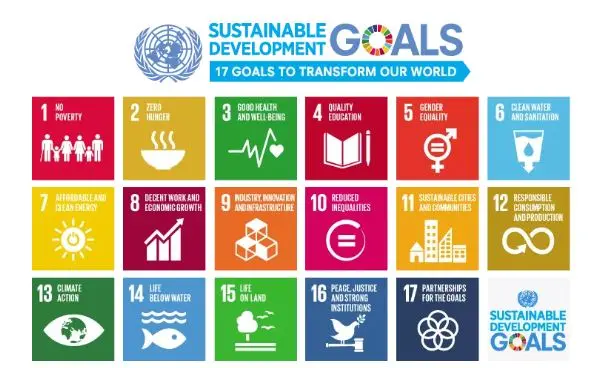
The SDGs serve as a blueprint for governments and communities striving to create a world that is equitable, environmentally sound, and economically inclusive by the year 2030. Their successful implementation depends on commitment at all levels—from global leaders to local citizens.
FAQ
Sustainable development practices vary significantly between urban and rural areas due to differences in population density, infrastructure, access to services, and resource use.
In urban areas, sustainability efforts focus on reducing pollution, managing waste, conserving energy, and promoting green spaces. Urban planning encourages mixed-use zoning, high-density housing, and investments in public transportation to reduce car dependency.
In rural areas, sustainable development emphasizes land conservation, sustainable agriculture, water management, and maintaining biodiversity. Efforts often include soil preservation, agroecological practices, and renewable energy projects suited to off-grid needs.
Policy implementation also differs: urban areas may rely on city ordinances and technological infrastructure, while rural areas use community-led initiatives and traditional ecological knowledge.
Indigenous communities play a crucial role in advancing sustainable development, particularly in the areas of environmental stewardship, biodiversity conservation, and social equity.
Indigenous peoples often manage ecosystems more sustainably due to deep-rooted cultural and spiritual connections to the land.
They use traditional ecological knowledge to maintain soil health, manage forests, and preserve biodiversity—practices increasingly recognized by scientists and policymakers.
Their participation ensures that conservation efforts are culturally appropriate and socially just.
However, sustainable development also requires respecting indigenous land rights, protecting them from displacement, and involving them in decision-making processes at all levels.
Globally, many indigenous territories overlap with biodiversity hotspots, making their role essential in climate mitigation and sustainability.
Climate change presents a major obstacle to sustainable development by threatening environmental stability, economic progress, and social well-being.
It increases the frequency of extreme weather events such as droughts, floods, and hurricanes, which damage infrastructure, displace populations, and destroy crops.
Rising sea levels threaten coastal cities and small island nations, leading to loss of habitable land and biodiversity.
Economic disruptions, especially in agriculture and tourism, hinder poverty alleviation and food security.
Developing countries face a dual challenge: they must adapt to climate impacts while limiting emissions, often with limited resources.
Sustainable development must now include climate resilience strategies such as carbon reduction, disaster preparedness, and ecosystem-based adaptation.
International organizations are essential for coordinating global efforts, providing funding, and sharing knowledge to help countries meet sustainable development goals.
The United Nations spearheads the SDGs and coordinates efforts through agencies like the UNDP, UNEP, and UNESCO.
The World Bank and International Monetary Fund provide loans, technical assistance, and policy guidance to support sustainable infrastructure and economic development.
NGOs and global partnerships like the Green Climate Fund focus on financing renewable energy, conservation, and community resilience projects.
These organizations also facilitate the transfer of green technologies to developing countries and promote cross-border cooperation on climate and resource issues.
Their work ensures equity, especially for countries with fewer resources or less capacity to implement sustainable solutions independently.
Sustainable development tackles waste management through integrated strategies that minimize waste production, encourage recycling, and reduce environmental harm.
It promotes the circular economy, where products are designed for reuse, repair, and recycling rather than disposal.
Urban areas implement policies like pay-as-you-throw systems, composting programs, and incentives for businesses to reduce packaging.
Rural regions focus on community-led waste sorting, biogas production from organic waste, and reducing the use of disposable plastics.
Education campaigns increase public awareness of the environmental and health impacts of poor waste management.
Sustainable development also encourages investment in infrastructure for proper waste treatment, including recycling centers, sanitary landfills, and hazardous waste facilities, especially in growing cities.
Practice Questions
Explain how the principles of sustainable development influence environmental policy decisions in both developed and developing countries.
Sustainable development principles like intergenerational equity and the polluter pays principle shape environmental policy by encouraging long-term, equitable planning. In developed countries, these principles promote strict regulations on emissions and waste, and incentivize investment in renewable energy. Developing countries often adopt policies that align with common but differentiated responsibilities, focusing on sustainable growth while receiving support from international aid or technology transfers. These principles ensure policies consider environmental impact, economic needs, and social equity, guiding nations to balance development goals with environmental stewardship and resource preservation for future generations.
Describe two ways ecotourism can contribute to sustainable development in rural communities.
Ecotourism contributes to sustainable development in rural communities by generating income and promoting environmental conservation. First, it provides economic benefits through job creation in guiding, hospitality, and crafts, reducing reliance on resource-intensive industries like logging or mining. Second, ecotourism supports environmental stewardship by raising awareness and funding for local conservation efforts, such as protecting wildlife habitats or maintaining trails. By involving residents in tourism planning and emphasizing cultural preservation, ecotourism fosters social cohesion and long-term sustainability, empowering communities to benefit economically while maintaining their natural and cultural resources for future generations.